
Imagine a breezy afternoon in Long Beach, salt air coming off the Atlantic, and you’re wrestling with a stubborn old window that won’t budge. Coastal living is a blessing (hello, ocean breeze!) and a challenge. Salt, strong winds, and humidity can be tough on houses – especially the windows. And with heating bills creeping up each winter and the AC blasting all summer, drafty old windows hit your wallet hard
When it’s time to replace those windows, two styles usually top the list: double-hung and casement. Both are popular around here, but which one fits your home and lifestyle better? In this guide, we’ll break down how each works, their pros and cons, costs, energy efficiency, and how they handle our coastal climate. By the end, you’ll have a solid idea of which style might be the winner for your Long Beach home.
What Are Double-Hung Windows?
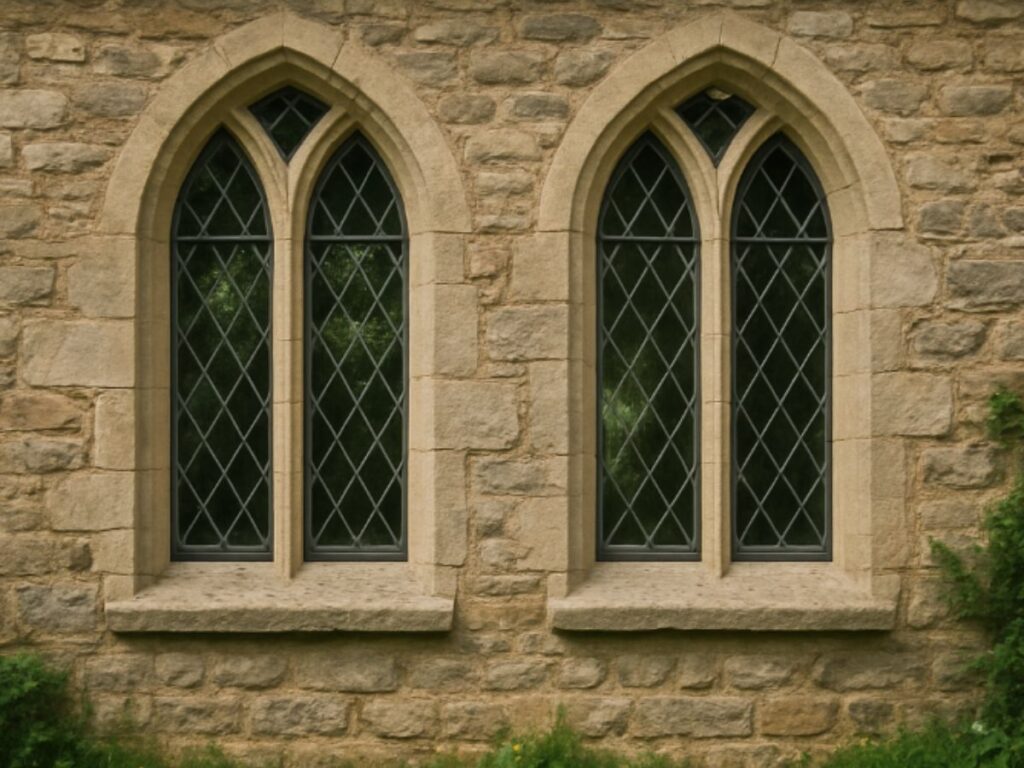
Double-hung windows are the classic up-and-down style with two sashes that slide vertically. You can open the bottom sash upward, the top sash downward, or both for a nice breeze. Many models also tilt inward for easy cleaning of the outer glass. Double-hungs have a traditional charm you’ll see all over older Long Beach and Five Towns homes, fitting colonial and classic designs. It’s a straightforward, no-fuss design that’s been around for generations.
What Are Casement Windows?
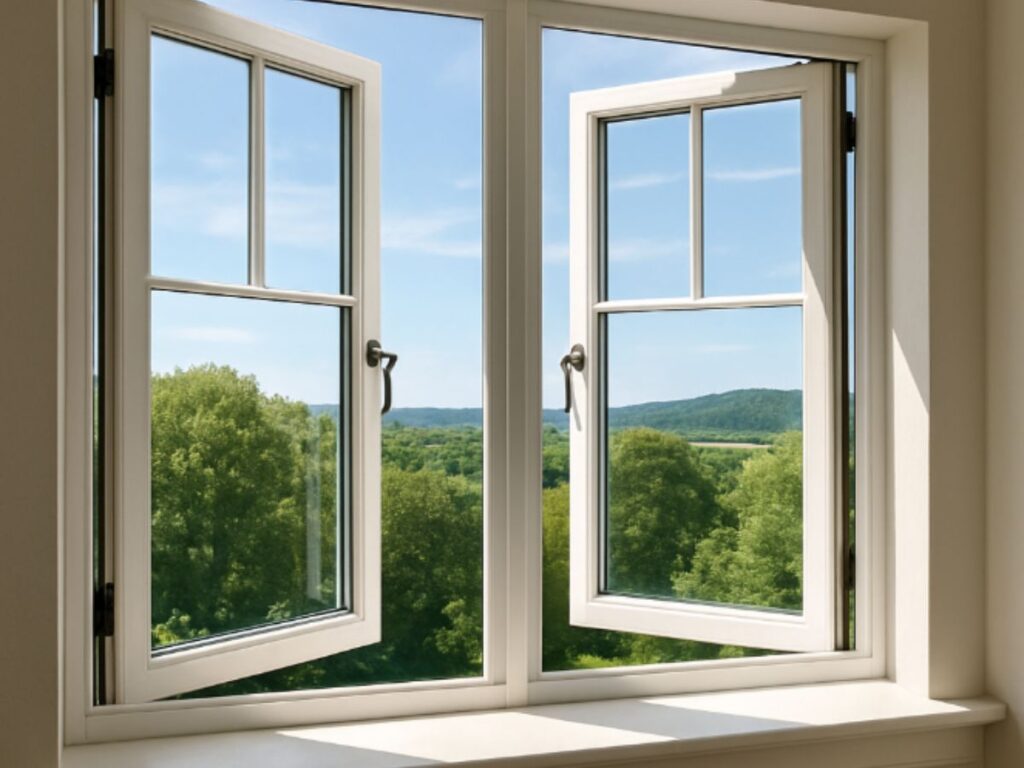
Casement windows hinge open like a door. Turn a crank and the window swings outward from one side. When closed, you get a single unbroken pane of glass (no middle bar), so the view is wide open. Casements are champions of ventilation: open one toward the breeze and cool coastal air pours in. They’re popular in newer Long Beach homes near the water where airflow and ocean views are a priority. Just remember they swing out – you don’t want one opening into a busy walkway or deck and giving someone a surprise bump.
Double-Hung vs. Casement: Key Differences
Here’s a quick side-by-side look at how these two window styles compare:
| Factor | Double-Hung (slides up/down) | Casement (cranks open) |
|---|---|---|
| Ventilation & Airflow | Opens at top and bottom; good for basic ventilation. Not as effective at catching side breezes. | Opens fully outward; catches breezes like a sail for maximum airflow. |
| Energy Efficiency | Can be efficient if well-sealed, but two sashes mean more seams that could leak air. | Very tight seal when locked; sash presses into frame to keep drafts out. |
| Ease of Cleaning | Tilt-in sashes let you clean outside glass from indoors (great for upper floors). | No tilt-in feature; must clean exterior from outside or by reaching out when open. |
| Cost | Generally more affordable; lots of budget-friendly options available. | Typically a bit pricier per window due to extra hardware and strong seals. |
| Durability (Coastal) | Simple mechanism. Use vinyl/fiberglass frames and keep tracks clean to prevent salt buildup. | Solid when closed. Needs quality hinges/cranks (rust-resistant) to handle salty air over time. |
| Security | One central latch. Can add locks or a dowel in the track for extra security; top-sash-only opening is kid-friendly. | Multi-point locks; very secure when fully locked and tough to pry open. |
| Style & Aesthetics | Timeless, classic look with a dividing rail; suits traditional home styles (grids optional). | Sleek, unobstructed glass; ideal for modern designs and maximizing views. |
(Above: a snapshot of how each style stacks up on key considerations.)
Energy Efficiency in Long Beach’s Coastal Climate
In our windy coastal climate, window tightness matters. Casement windows tend to have the edge in energy efficiency because of their snug fit. When you crank a casement closed, the sash presses firmly into the frame all around, sealing out drafts.
Double-hung windows have more gaps by design – two sashes, a meeting rail, etc. – so there are more opportunities for air to sneak through. A well-made, properly installed double-hung can still be fairly efficient, but if you’ve got older or poorly sealed ones, you probably feel the drafts on cold nights. Bottom line: casements generally insulate better (especially against sea breezes), but a quality double-hung with good weatherstripping does the job too. With either style, keep an eye on your weatherstripping over time – salt air can wear it down, so replacing it when needed keeps your efficiency up.
Ventilation and Comfort
Both window types can help ventilate your home, but they go about it differently. Casement windows are fantastic for ventilation. Open one up and fresh air floods in. Because they catch the breeze, they can cool down a room much faster on a windy day than a double-hung can. If you love feeling that ocean air, casements won’t disappoint.
Double-hung windows offer more controlled airflow. By opening the bottom and top a bit, you create a nice circulation loop: cool air comes in down low, warm air escapes up top. This is great for days when there’s not much wind but you still want some air exchange, or when you want ventilation without a direct draft. You can even crack the top sash during a light drizzle to let humidity out without letting rain in. So for sheer breeze power, casements win; for adjustable, gentle ventilation, double-hungs work well.
Security & Safety Considerations
Casement windows have a slight upper hand in security. When locked, they latch at multiple points, so they’re very hard to pry open – great for peace of mind (and for storm winds). Double-hung windows usually just have one latch; it keeps the window closed but isn’t as tamper-resistant as a casement lock. You can always add a secondary lock or a simple wooden dowel in the track to make a double-hung more secure. One safety perk of double-hungs: you can open just the top sash for air while keeping the bottom sash closed, which is great for keeping curious kids and pets safe inside. Bottom line: lock your windows and you’ll be okay with either style, but casements give you a bit more built-in toughness.
Maintenance & Cleaning
If you dread cleaning, double-hung windows make life easier – most have tilt-in sashes so you can clean the outside glass from inside your home. Also, keep their tracks clean: vacuum out any sand or dust occasionally and maybe spray a little silicone lubricant so they slide smoothly.
Casement windows don’t have tracks, but they do have cranks and hinges. A small dab of lubricant on those moving parts once or twice a year will prevent rust or sticking. And remember to open them now and then – if a casement stays shut for years, it can get a bit stiff from lack of use (and salt buildup). When it comes to frame materials: vinyl and fiberglass are very low-maintenance (just wipe them clean), whereas wood frames will need periodic painting or sealing to stay protected in our salty, humid air.
Design & Style Fit for Long Beach Homes
You want windows that not only work well, but look right on your house. Double-hung windows are a staple of traditional home design. If you have a classic colonial, Cape Cod, or a 1920s beach bungalow, double-hungs will preserve that authentic look. They often come with the option of grids (those criss-cross muntins) to enhance the vintage charm. Many neighborhoods in the Five Towns and around Long Beach feature homes with double-hungs because they’ve been the go-to style for so long.
Casement windows offer a different aesthetic – sleek and modern. With no middle bar, they give you large, uninterrupted views. This is perfect for showcasing a great view or giving a modern facelift to an older home. We’ve installed casements in mid-century modern redesigns, contemporary new builds, and even in traditional homes where the owner wanted to mix it up and create a feature window. They can really add a clean, updated touch. One consideration: if every other house on your block has classic windows, super-modern casements will make your home stand out. That can be either a good thing or a “what’s different here?” thing, depending on your perspective (and possibly your HOA). Often, the solution people choose is a mix – for instance, a big casement or fixed picture window in the living room for the view, and double-hungs in the bedrooms for ease of use and style continuity. There’s plenty of room to get the best of both worlds.
Cost Comparison
Let’s talk dollars. Generally speaking, double-hung windows are more budget-friendly than casements. Because double-hungs are common and simpler in design, you’ll find a lot of competitively priced options. If you’re getting quotes, don’t be surprised if a standard vinyl double-hung comes in a couple hundred bucks cheaper than a comparable casement. Casement windows typically cost a bit more per unit – blame the heavier-duty hardware and the engineering that goes into that tight seal and crank mechanism.
In the Long Beach/Nassau County area, to be frank, any window project is an investment (everything’s a little pricier in New York). You might be looking at a few hundred dollars difference per window between the two styles. For example, if a standard vinyl double-hung installed costs X, a similar casement might be X plus 10-20%. It adds up if you’re doing the whole house. Only you can decide if the casement’s benefits (better airflow, possibly better efficiency) are worth the extra cost. Also consider energy rebates or credits: New York State and the feds sometimes offer incentives for energy-efficient windows, which could help offset the price, especially if the casements have a slightly better efficiency rating. In any case, it’s wise to get quotes for both and see which fits your budget and goals.
Which Works Best for Long Beach Homes?
There’s no one-size-fits-all answer — it really depends on your home and what you care about most. Both types have their advantages, so think about it like this:
- Choose double-hung if… you want easy cleaning (especially on a second story), a classic look that matches a traditional home, and a generally lower cost. They’re great for multi-story houses and for homeowners who like tried-and-true functionality.
- Choose casement if… you want maximum breeze and ventilation, a modern style with wide-open views, and top-notch energy efficiency when closed. They’re ideal for coastal spots that get strong winds, and for enjoying those ocean or bay vistas.
- Or mix and match: Some Long Beach homeowners use both – for example, casements on the first floor to catch the breeze and double-hungs upstairs for convenience. There’s no rule against mixing window styles. Do what makes sense for each room’s use and view.
Ultimately, the best windows are the ones that make you happy and comfortable in your home. Both double-hung and casement can work beautifully here in Long Beach as long as you choose quality products and get a good installation.
FAQs
Are casement windows more energy-efficient than double-hung windows?
Generally, yes. Casements lock tightly all around the frame, so they tend to leak less air. In windy Long Beach winters, a casement’s seal can keep out drafts better than a double-hung’s (which has more gaps). However, a high-quality double-hung with modern weatherstripping is still pretty good — it’s just that there are more moving parts that need to maintain a seal.
Which windows are better for storms and strong winds?
A locked casement window is excellent in storms because the wind pushes it closed and those multiple locks keep it tightly shut. Double-hung windows, if properly latched, generally handle storms fine too, but extreme winds might make an older one rattle or let a bit of water in if the seals aren’t perfect. If hurricanes are a big worry, look into impact-rated windows or storm shutters, regardless of style, for the best protection.
Do new windows (casement or double-hung) add value to a Long Beach home?
Absolutely. New, energy-efficient windows are a big selling point. Most buyers aren’t fixated on casement vs. double-hung; they just appreciate that your windows have been upgraded. So choose what suits your house and needs. Either way, replacing old drafty windows with quality new ones will boost your home’s value and curb appeal.
Do casement windows last longer than double-hung windows?
There’s no clear winner on lifespan; both can last for decades if you invest in good quality and take care of them. Casements have cranks and hinges that might need a little TLC (like lubricating) over the years; double-hungs have balances and seals that can wear out. In our coastal environment, maintenance is key. Keep the salt off, lubricate moving parts occasionally, and choose windows with good warranties. Do that, and either style will go the distance.
What’s the most common window style in Long Beach homes?
It’s a mix. A lot of older homes still have (or have upgraded to) double-hung windows – they’ve been the standard forever, so they’re everywhere. But casements are very popular in newer constructions and remodels, especially near the water. If we had to guess, double-hungs might still have a slight edge in sheer numbers because of all the legacy installations in town. But walk around the neighborhood and you’ll notice plenty of each. Long Beach isn’t stuck on one style – it depends on the house.
Final Word (and a Friendly Invitation)
At the end of the day, both double-hung and casement windows can be great choices for a Long Beach home. Each has its pros and cons, but either will serve you well if you pick a quality product and have it installed by someone who knows their stuff (and knows our local climate). Think about what matters most to you — whether it’s that easy tilt-in cleaning, the wide-open breeze, or just the overall look — and you’ll make the right choice.
And if you’re still not sure which way to go, we’ve got your back. Recast NY is a veteran-owned local business that’s installed every type of window across Long Beach and the Five Towns. We know the coastal climate, the local styles, and the latest products inside and out.
Considering new windows? Reach out to us for a free, no-pressure consultation. We’ll answer your questions, show you options, and help you find the perfect fit for your home and budget. Whether you end up with timeless double-hungs, breezy casements, or a mix of both, we’ll make sure your new windows are expertly installed and built to last. Let’s get your home set up with windows that look great, save energy, and stand strong against that ocean air for years to come!
