
Walk down West Beech Street after a heavy rain and you’ll notice the same thing on every other building: flat roofs holding water like swimming pools. In Long Beach, flat roofs aren’t a rare exception — they’re part of our everyday landscape. Apartment buildings near Riverside, mom-and-pop shops along Park Avenue, even single-family bungalows in The West End — they’ve all got one thing in common. When a storm rolls through, those flat roofs are tested harder than most homeowners realize.
We’re not talking once-in-a-decade disasters here. We’re talking the nagging, persistent issues we get calls for every single week. And if you own property in Long Beach, chances are you’ve run into one or two of these already.
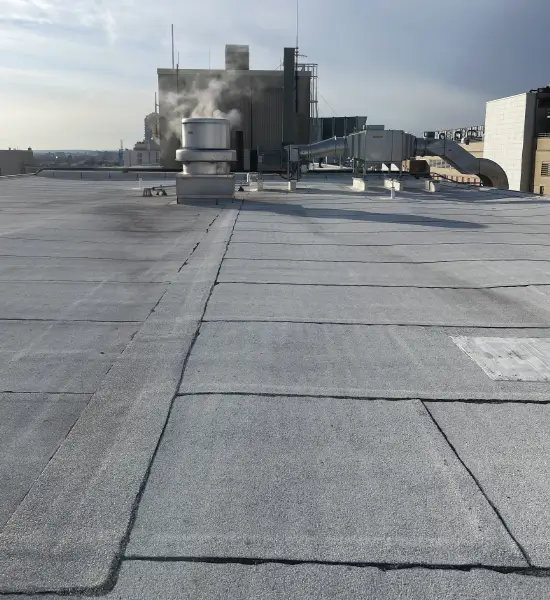
Ponding Water — “The Bird Bath Effect”
Locals sometimes joke that seagulls love Long Beach roofs because they double as bird baths after a storm. The truth is, ponding water isn’t funny when you’re the one paying for repairs.
Flat roofs in our coastal climate should drain within 24–48 hours. But because so many homes and businesses here are older, we see sagging spots where water just sits. That water does more than add weight — it seeps into seams, accelerates membrane breakdown, and attracts mold.
One restaurant near the boardwalk called us after they noticed water dripping straight into their dining area. The culprit? A shallow dip in their flat roof that had been holding puddles for years. Nobody caught it until the damage reached indoors.
Cracked or Blistered Membranes
Salt air eats away at roofing faster than inland towns ever see. Every week, we inspect flat roofs in Long Beach that look like alligator skin — blistered patches, bubbles, and cracks that pop up after the sun bakes water-soaked membranes.
These blisters don’t just look bad. Once they pop, they leave gaps where water slips under the roofing layer. On Atlantic Avenue, we worked on a small office building where one popped blister led to half the ceiling tiles collapsing during a storm. That’s how fast things snowball.
Flashing Failures Around Edges and Skylights
Ask any roofer in Long Beach where the leaks usually start, and nine times out of ten, the answer is flashing. On flat roofs, especially, the edges are your weak spots. When high winds whip in off the ocean, they lift and bend flashing, leaving just enough space for water to sneak inside.
Skylights are another repeat offender. Lots of bungalows in The Canals added skylights decades ago, but their flashing hasn’t been updated. After a nor’easter, we often find water stains radiating out from skylights like clockwork.
Drainage Issues No One Checks Until It’s Too Late
Flat roofs rely on scuppers, drains, and internal piping to move water off quickly. But in Long Beach, with all our wind-blown sand, leaves, and storm debris, those drains clog faster than people expect.
We’ve unclogged roof drains filled with everything from seashells to kids’ toys (true story from a home near Long Beach Road). And the pattern is the same: blocked drains turn into standing water, which turns into leaks, which turns into expensive damage.
Thermal Movement and “Wrinkled” Roofs
Our coastal weather swings are brutal on flat roofs. One day it’s freezing with a nor’easter, the next it’s 60 degrees with sunshine bouncing off the ocean. That constant expansion and contraction makes membranes shift and wrinkle.
Once wrinkles form, seams start pulling apart. Think of it like bending a paperclip back and forth until it snaps. Every week, we see these stress lines on roofs from Long Beach Boulevard to East Park Avenue. Left untreated, they’re just waiting to tear open.
Why Flat Roof Problems Hit Long Beach Harder
Flat roofs exist everywhere, but Long Beach roofs get hit with a perfect storm of challenges:
- Salt air that corrodes faster than inland environments.
- High winds that lift and tug at seams daily.
- Older building stock where roofing hasn’t been updated to modern standards.
- Flood zones where water management is critical, and failure has bigger consequences.
That’s why advice you read from national roofing blogs doesn’t cut it here. What we see on a weekly basis in Long Beach is its own category of roof trouble.
What Homeowners Can Do Before It Becomes a Headache
We’re not saying every property owner has to climb up with a tool belt. But there are clear signs you can spot from the ground — and small habits that make a huge difference:
- Keep gutters and drains cleared, especially after big windstorms.
- Walk around indoors and check ceilings for fresh stains after rain.
- Don’t ignore “tiny” puddles on flat sections; they never stay tiny.
- Get an inspection twice a year — spring and fall — since our storms hit hardest then.
Local Cases That Stick With Us
One Long Beach family near Roosevelt Boulevard thought their roof was fine after Sandy repairs. But small ponding spots kept getting bigger. By the time they called us, mold had spread through half their attic.
Another was a clothing shop on Park Avenue — their flat roof looked normal from the street, but blocked scuppers had water seeping behind their display wall. A simple $300 drain cleaning would’ve saved them thousands in ruined merchandise.
We bring these up because they’re not rare cases. They’re the kind of calls we get every single week here in Long Beach.
FAQs — Flat Roof Issues in Long Beach NY
How long should a flat roof last in Long Beach NY?
With proper maintenance, 20–25 years. But salt air often shortens that lifespan if roofs aren’t inspected regularly.
What’s the number one flat roof issue you see locally?
Ponding water. Every week, it’s the repeat offender across both homes and commercial buildings.
Do all flat roofs leak eventually?
Not if they’re installed and maintained correctly. But in Long Beach, lack of drainage maintenance is what usually tips the scale.
Can I spot problems myself without climbing up?
Yes — look for interior stains, ceiling bubbles, or water dripping behind walls after a storm.
Do I need a Long Beach-based roofer, or can any company handle it?
Local experience matters. Coastal winds, zoning, and permit rules here aren’t something every roofer knows firsthand.
Closing Word
Flat roof issues in Long Beach aren’t occasional surprises — they’re part of the weekly rhythm of living by the ocean. The good news? With eyes on the right warning signs and a team that knows the quirks of our barrier island, you can catch problems before they hit your wallet.
If your flat roof hasn’t been checked in the last six months, schedule a local inspection today. We’re right here in Long Beach, NY, and we’ve probably already fixed a roof just like yours this week.
