
Walk down the West End after a nor’easter, and you’ll notice it right away: one house’s siding still looks crisp, while the neighbor’s panels are dull, pitted, and pulling away at the edges. That’s the salt air talking. Long Beach NY doesn’t just challenge siding — it chews on it daily.
We’ve seen vinyl fade years too early, aluminum corrode until it looks chalky, and even fiber cement paint jobs bubble if the prep wasn’t done right. The ocean gives us our views, but it also brings the most underestimated home maintenance problem on the island.
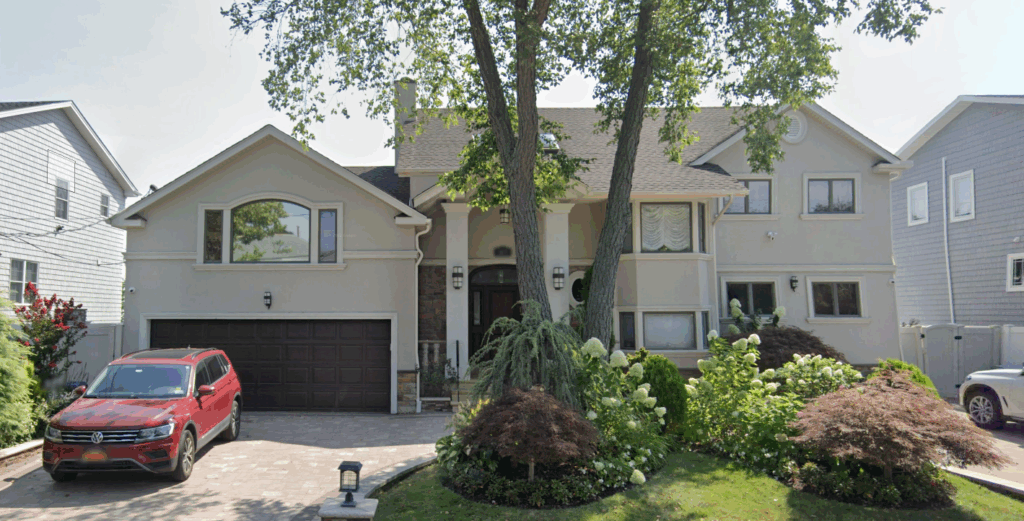
Why Salt Air Eats Away at Long Beach Homes
It isn’t just the smell of the sea. Salt air carries fine particles that settle into every crevice of your siding. Over time:
- Moisture sticks longer: The salt makes water cling to surfaces instead of evaporating quickly. That’s why siding stays damp after a storm.
- Chemical reactions speed up: Metals corrode faster, paint fades sooner, and even vinyl panels lose their protective sheen.
- Grime builds quicker: In The Canals, houses closer to the bay get a fine, sticky film on siding just weeks after a good cleaning.
This cycle repeats daily. Think of it like your siding taking thousands of tiny paper cuts every time the breeze picks up off the ocean.
The Signs Your Siding Is Losing the Battle
Long Beach homeowners often miss the early warnings. They call us when panels are falling off, but the damage usually starts small:
- Chalky residue on your hand when you brush siding (fading from UV + salt).
- Bubbling paint on fiber cement or wood siding.
- Rust-colored streaks near nails or fasteners.
- Vinyl panels pulling away on the windward side of the house.
- Mold growth in shaded areas, especially facing the bay.
If you live near Edwards Boulevard or Oceanview, you know it doesn’t take long for these problems to spread once they start.
Which Siding Types Suffer Most in Salt Air
Here’s the local breakdown:
- Vinyl siding: Affordable and common in Long Beach NY, but prone to fading, warping, and brittleness when salt exposure meets hot summers.
- Aluminum siding: Once popular, but it corrodes quickly near the beach. We’ve seen it pit badly within 10 years on homes near the boardwalk.
- Fiber cement siding: Strong choice for coastal climates, but the paint or finish still needs attention. Salt clings to its porous surface if not sealed right.
- Wood siding: Beautiful, but unless you’re prepared for constant repainting and sealing, salt air will rot it out faster than you’d like.
No siding is “immune.” The question is how much maintenance you’re willing to take on.
What Long Beach Homeowners Can Actually Do About It
Here’s where we get practical. Salt air is unavoidable, but there are smart moves:
1. Choose the Right Material
- On the West End rentals? Vinyl is budget-friendly but expect to refresh sooner.
- Forever home near the bay? Fiber cement lasts longer if installed and sealed right.
2. Stay Ahead with Cleaning
A simple garden hose rinse every couple of weeks removes salt build-up. Skip the pressure washer — it can drive moisture behind the panels.
3. Repaint or Seal Regularly
- Fiber cement: repaint every 10–15 years.
- Wood: seal every 2–5 years.
- Even vinyl benefits from protective coatings designed for UV + salt resistance.
4. Inspect After Storms
After every nor’easter or hurricane scare, walk the perimeter. Loose panels become open invitations for water damage.
5. Work with Local Pros
Out-of-town crews often miss the small details that matter here — flashing placement, fastener choice, waterproof barriers. We’ve rebuilt too many siding jobs in Long Beach that failed simply because the installer didn’t understand coastal conditions.
The Cost of Ignoring Salt Air Damage
We’ve seen it firsthand:
- A West Beech Street homeowner delayed fixing warped vinyl. Within two years, water seeped into the sheathing, and repairs tripled in cost.
- A bungalow near The Canals had wood siding that looked fine on the surface. Inside? Mold from salt-laden moisture creeping behind panels.
Ignoring salt air isn’t just cosmetic. It’s structural — and it eats away at resale value fast. Buyers in Nassau know what to look for.
Local Voices: What Neighbors Say
One homeowner in East Atlantic Beach told us, “I thought siding was supposed to be low maintenance. I didn’t realize the ocean air would age it twice as fast.”
Another in Woodmere said, “We switched from vinyl to fiber cement after two hurricanes ripped panels off. Best decision — it looks new even after three years of storms.”
These aren’t rare cases. They’re everyday stories we hear in Long Beach.
FAQs About Salt Air and Siding in Long Beach NY
Does vinyl siding even make sense in Long Beach NY?
Yes — for rentals or short-term stays. Just plan for earlier replacement.
How often should I wash siding here?
Every 2–4 weeks during summer. More if your home faces the ocean or bay.
Can salt air damage brand-new siding?
Absolutely. We’ve seen vinyl panels warp within 18 months when installed without proper fasteners and flashing.
What’s the longest-lasting siding in Long Beach?
Fiber cement, if maintained. It holds up better than vinyl or aluminum against salt, storms, and UV.
Do you handle siding repairs in Nassau and the Five Towns too?\
Yes — we service Woodmere, Hewlett, Cedarhurst, Lawrence, East Atlantic Beach, and beyond.
The Bottom Line
Salt air is part of life in Long Beach NY. We love the coastal breeze, but it’s brutal on siding. The good news? With the right material, regular care, and local know-how, your home can stand tall against the salt for decades.
If you’re noticing fading, warping, or bubbling, don’t wait. Call us today, and let’s protect your siding before the salt wins the fight.
